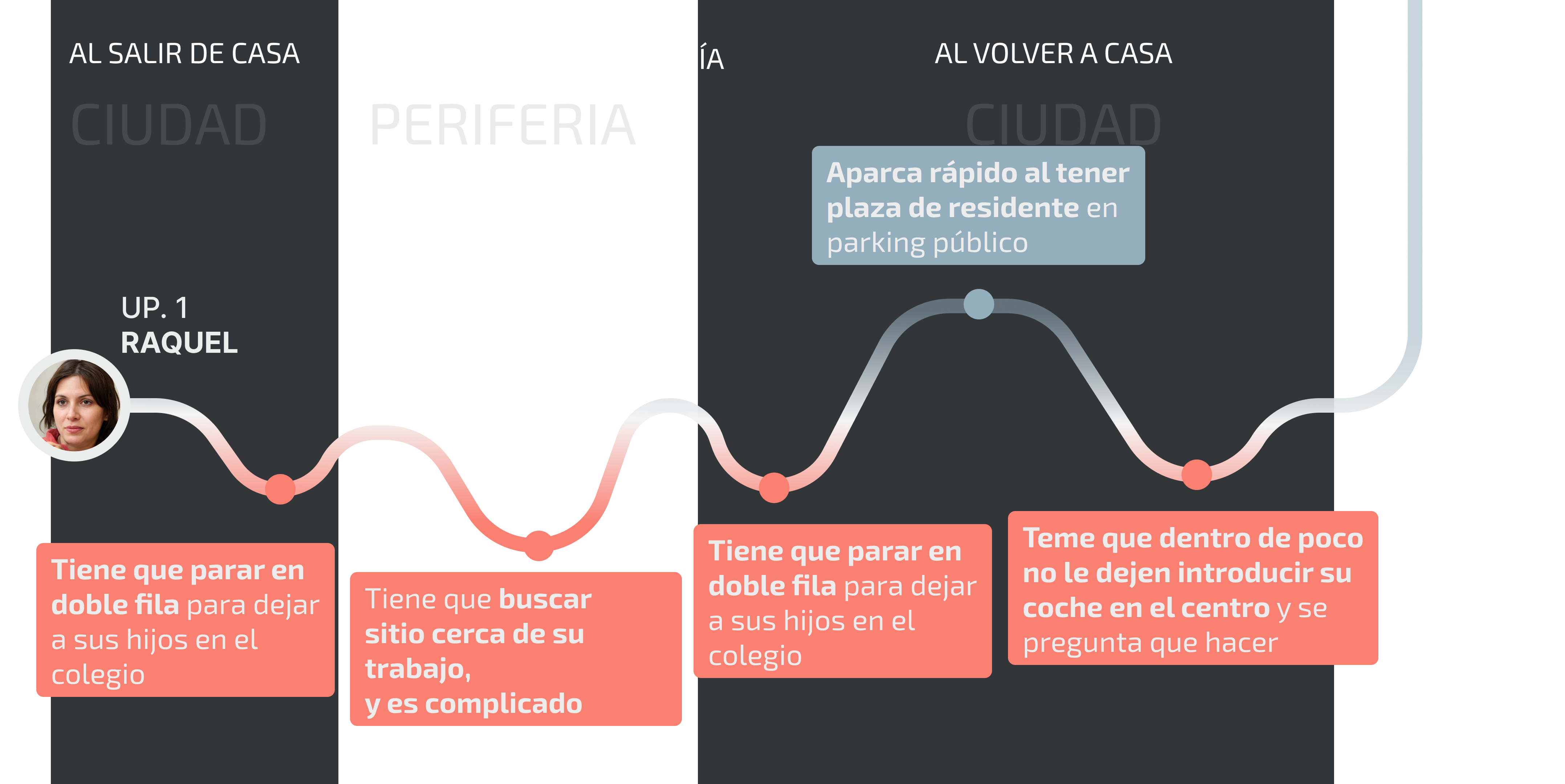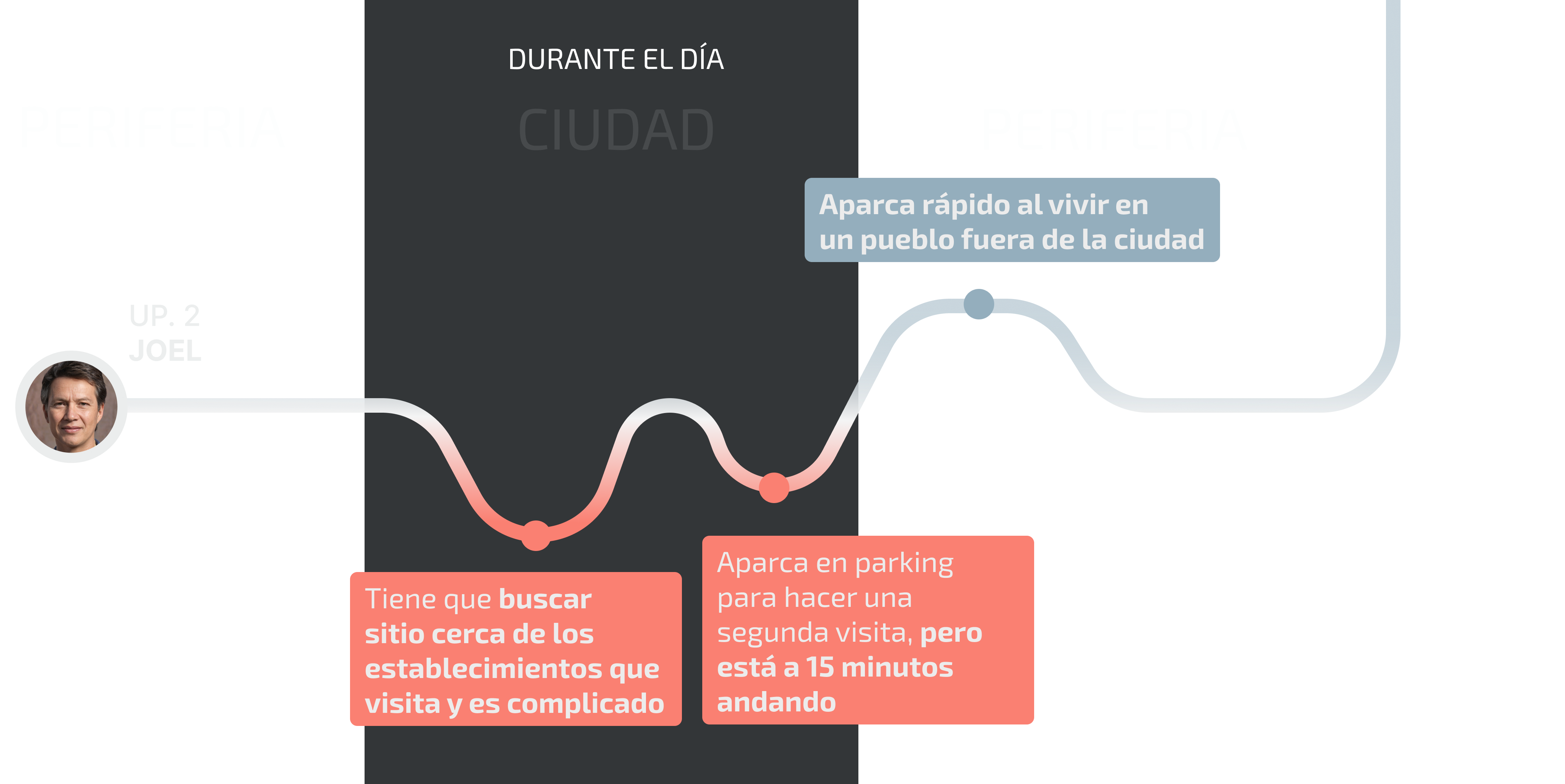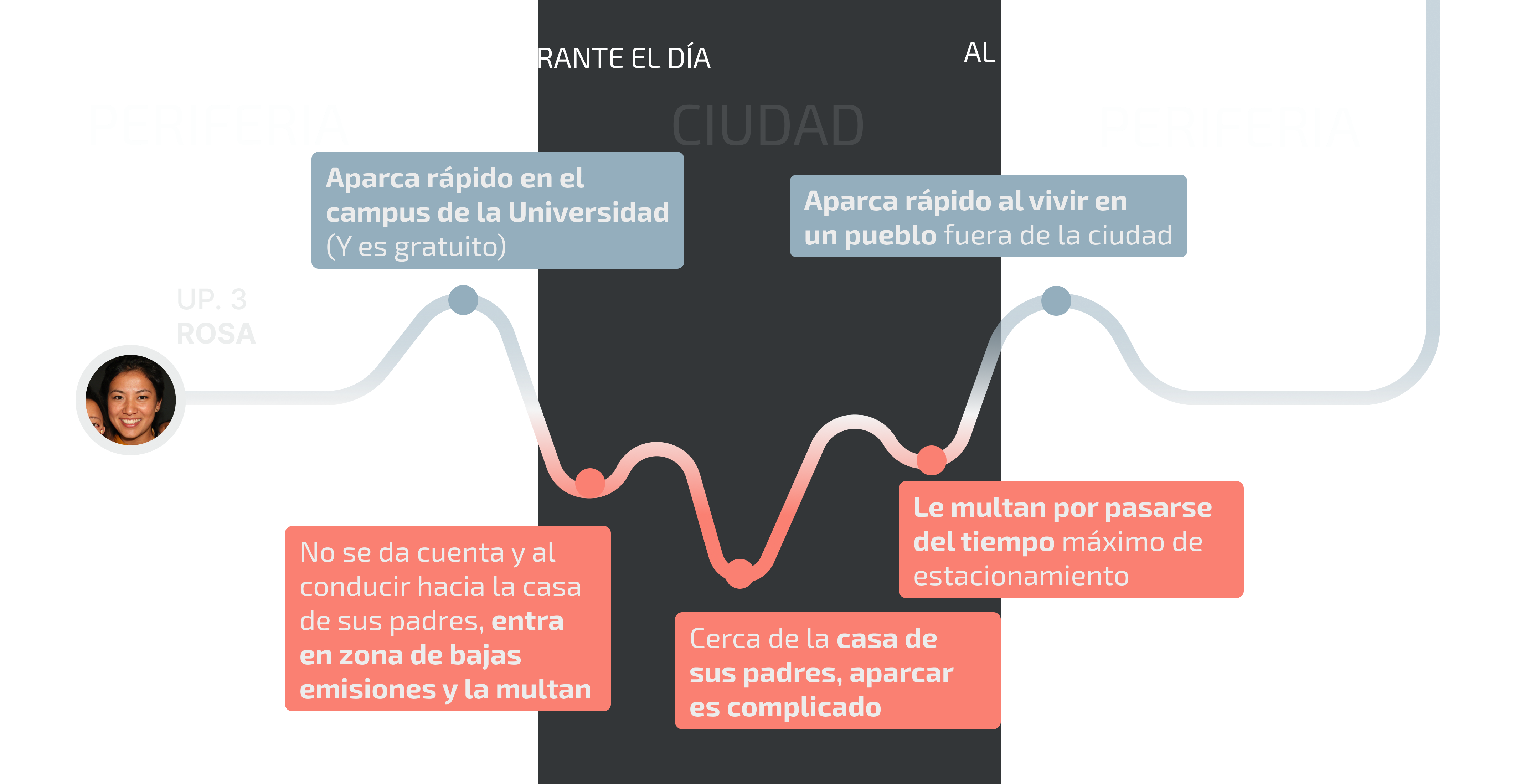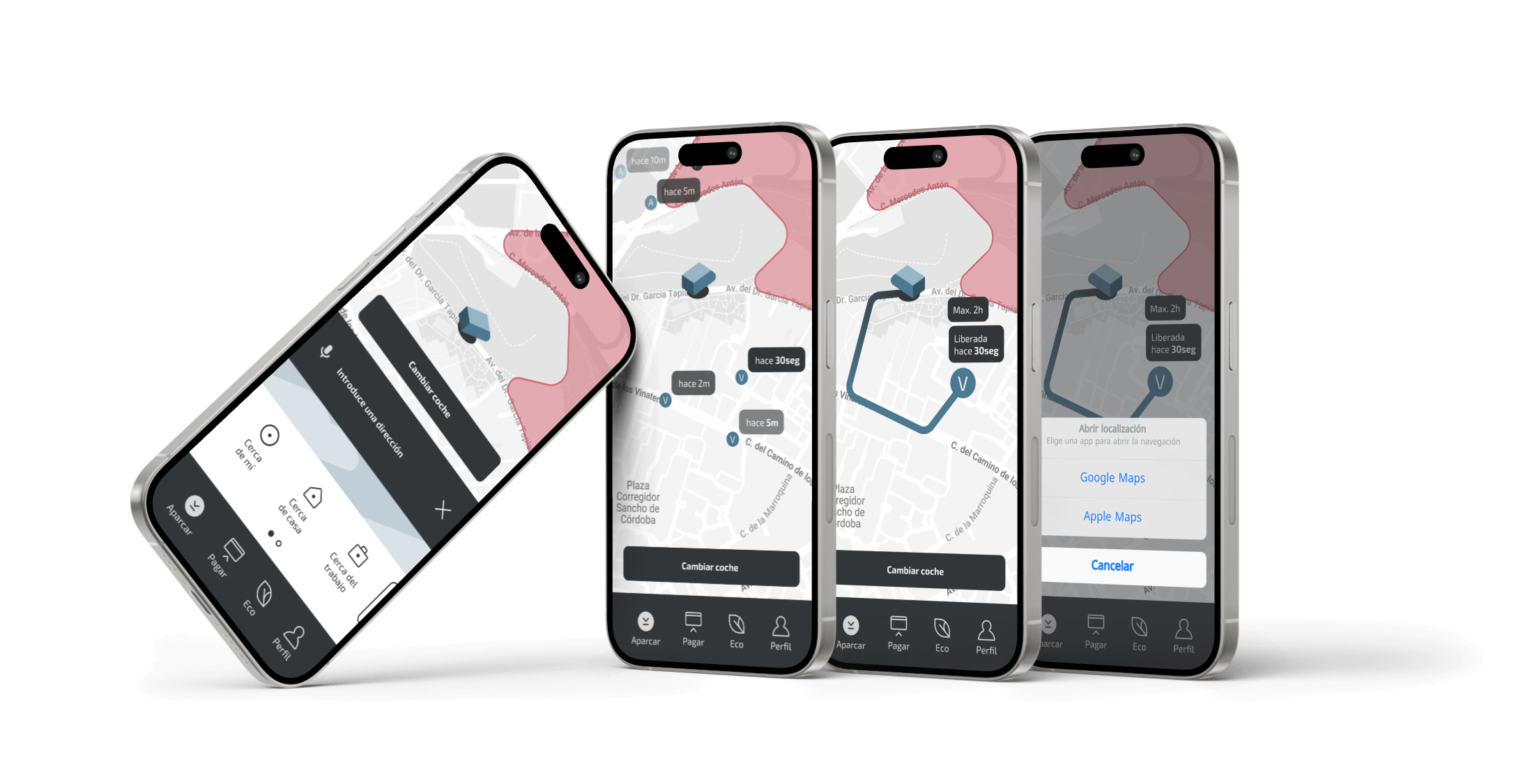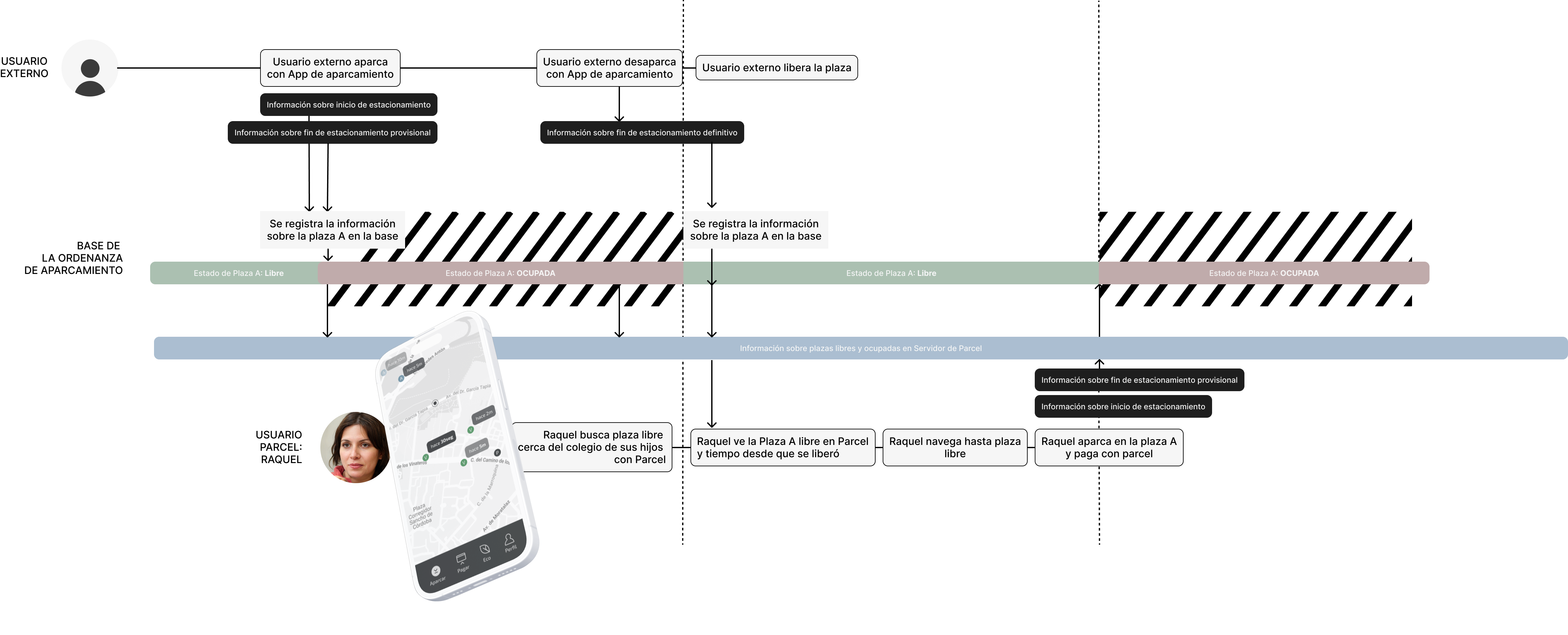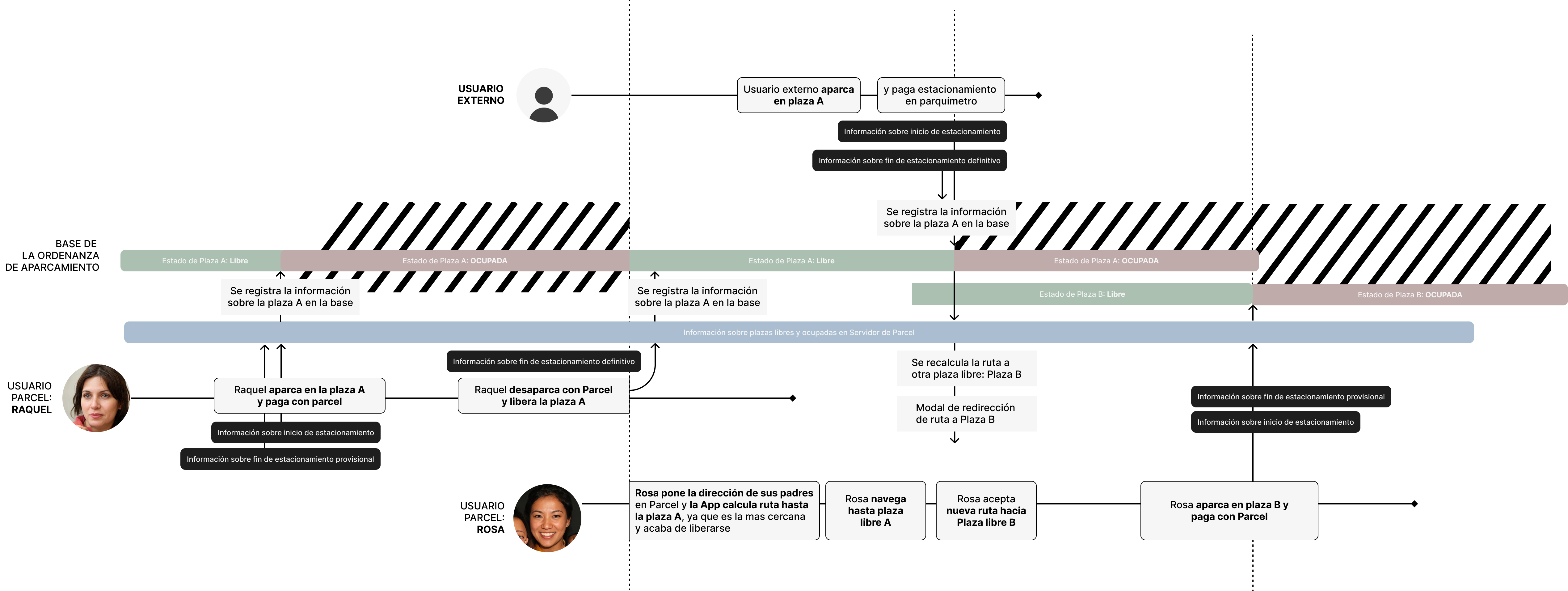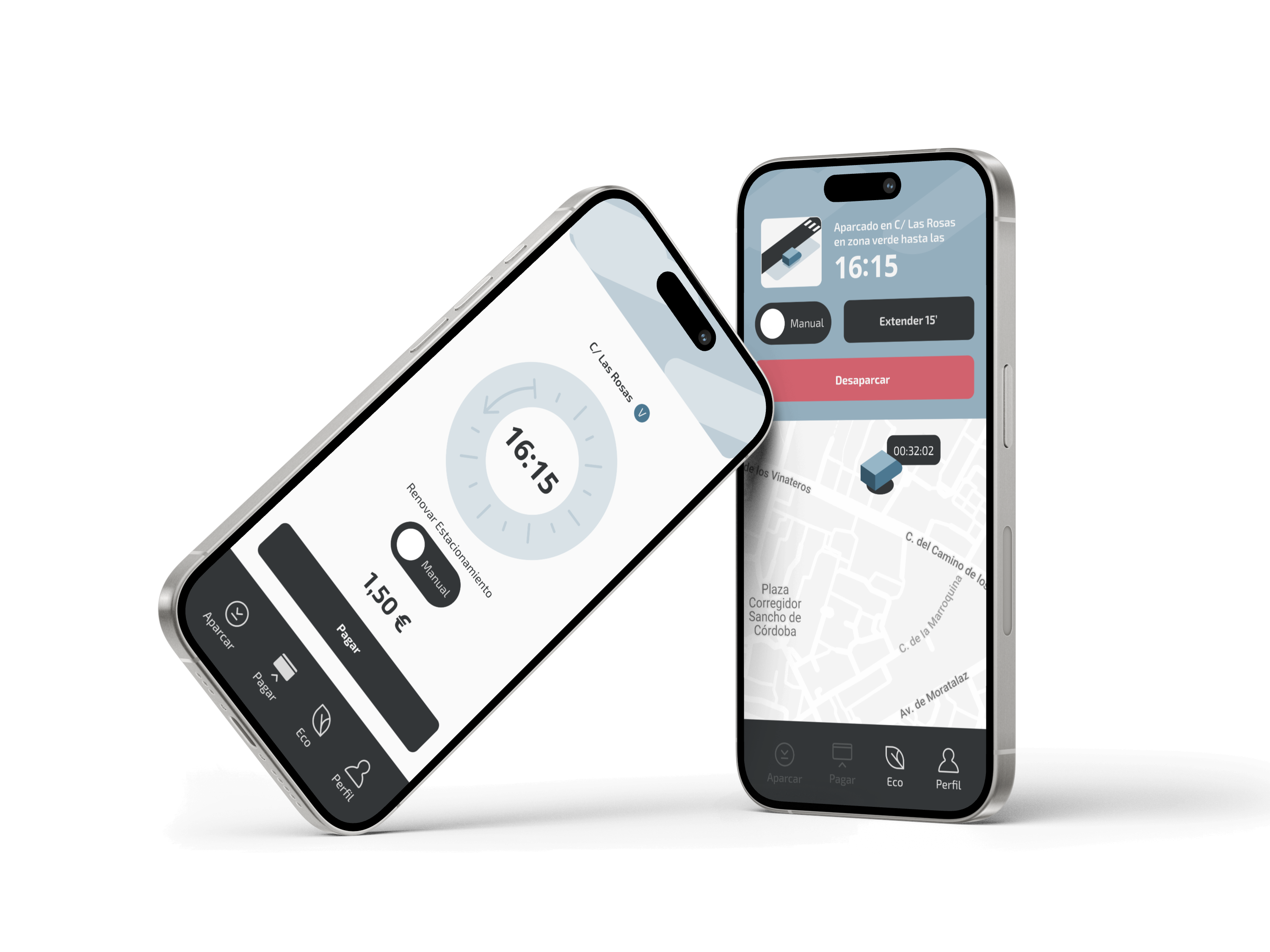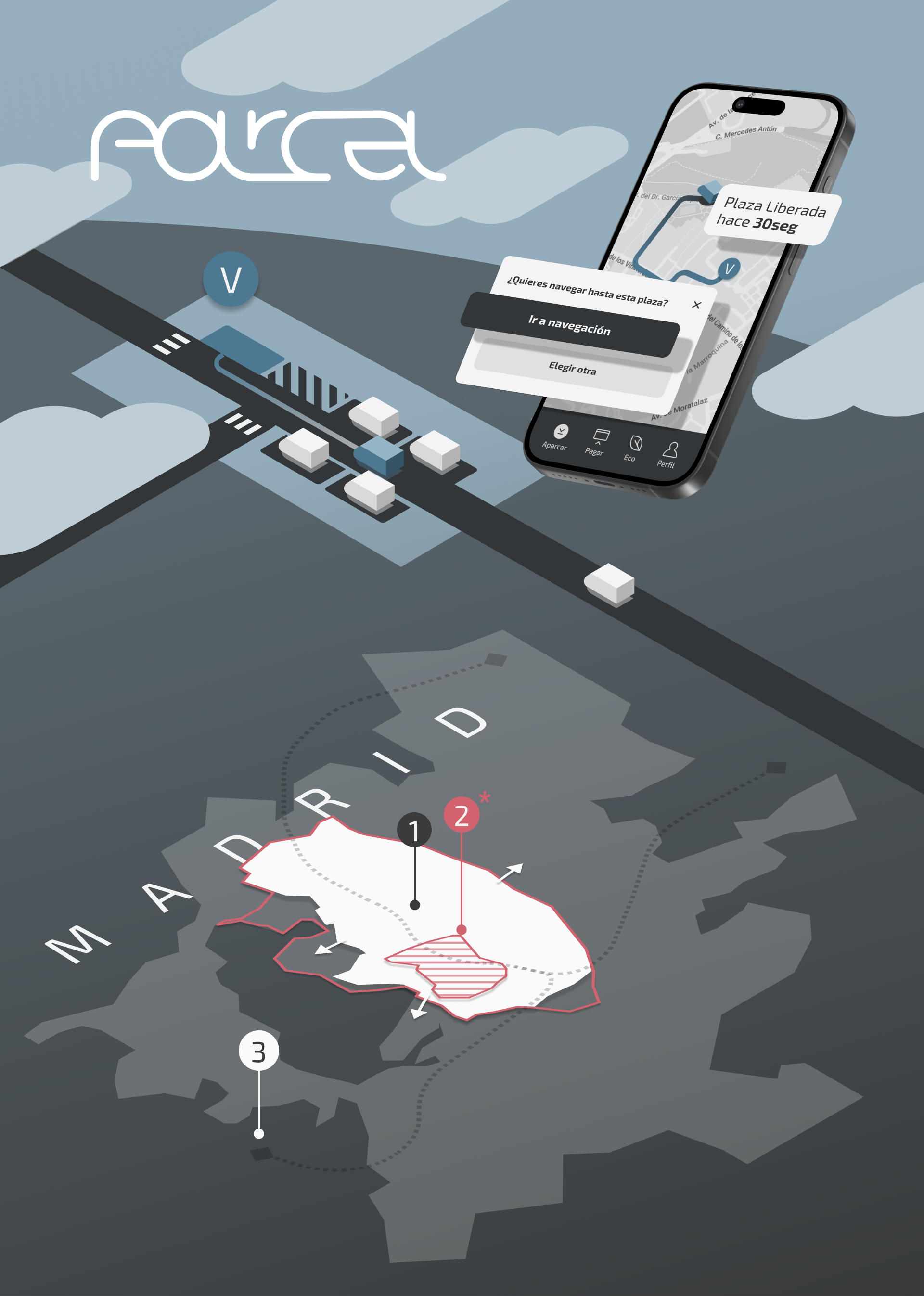
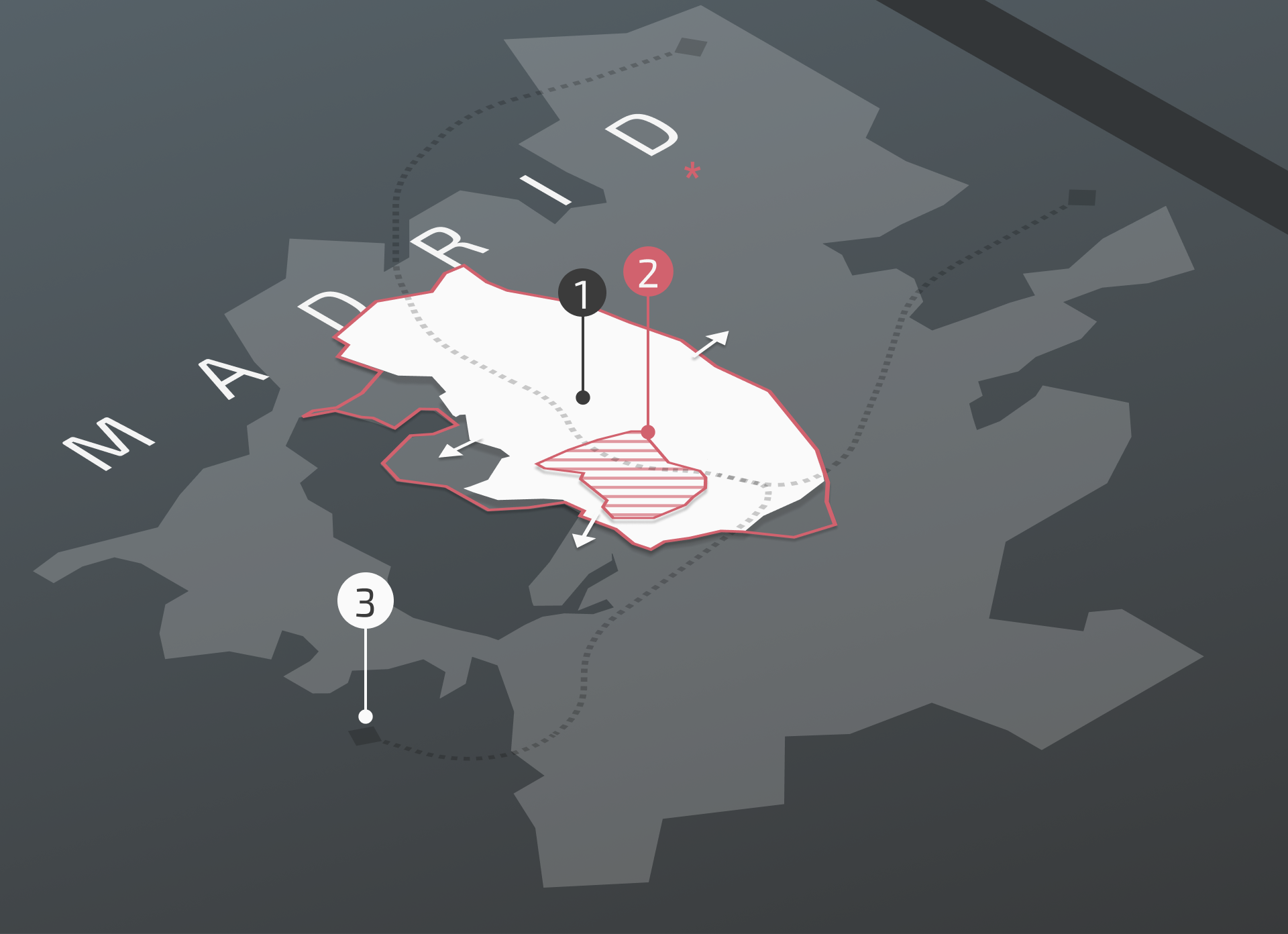

The regulated parking area of Madrid is concentrated within the M30 motorway, with recent expansions to peripheral areas. All live data collected by parking meters, agents of the company managing the service (estimated parking time and parking street) and specific parking apps (exact parking time and specific parking location) are synchronized in a common database. The service has four enabled parking zones:
Blue Zone Maximum 2h parking
€0.5-€2/hour cost
Green Zone Maximum 4h parking
€0.5-€2/hour cost
Orange Zone (Residents) No time limit
Specific rates
Red Zone (Shared with Loading and Unloading)
Maximum 4h outside loading and unloading hours
€0.5-€2/hour cost

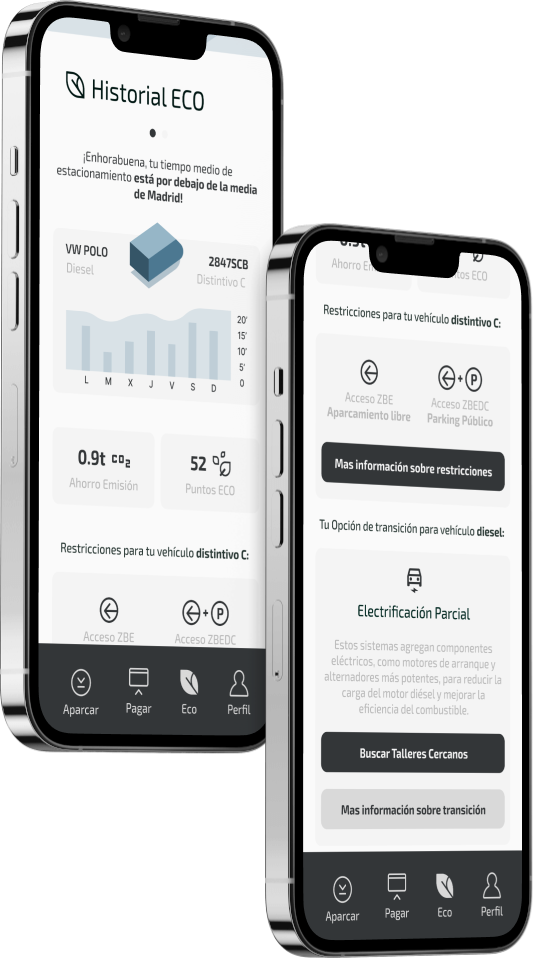
Access to the city of Madrid for parking is gradually being restricted according to the Madrid 360 plan with the aim of limiting air pollution in the city. By 2025, cars without environmental labels will not be able to access the Low Emission Zone, marked on the map with a red border.
Accessing the center of Madrid for parking becomes more complicated as you need a vehicle with an ECO/ZERO environmental label to access the city center and park without restrictions in regulated areas, or a B or C label to access the city center and park in specific public parking lots.
Currently, it is already limited to cars without labels or with an A label and the medium-term plan is to completely restrict access to those with B and C labels (around 2028).
These are limitations that any parking service will have to adapt to.

Faced with these circumstances, there are suburban connections or bus services to connect the outskirts of Madrid with the center, workplace, or leisure areas for most people. However, as reported in this article, the situation regarding punctuality and incidents is not the best, which can be an obstacle to its use.
A better situation exists for those neighborhoods and municipalities adjacent to the metro network, a service that has a high level of satisfaction regarding intra-city mobility
To conduct the interviews, we selected users from Madrid with diverse characteristics, prioritizing those who live and/or have to commute to the center of Madrid using the car in some way. We also considered users who access the city center with a car, but in new ways, such as in the case of Carsharing (Services with a fleet of shared cars among registered users that do not have access restrictions in low emission zones or have to pay for regulated parking zones)
We also conducted a series of surveys to gather information about drivers' preferences on various topics: transportation cost vs. ecology and quality of life, use of car vs. public transportation to go to the city center, parking in parking lots or on the street, in a regulated area...