
Introduction
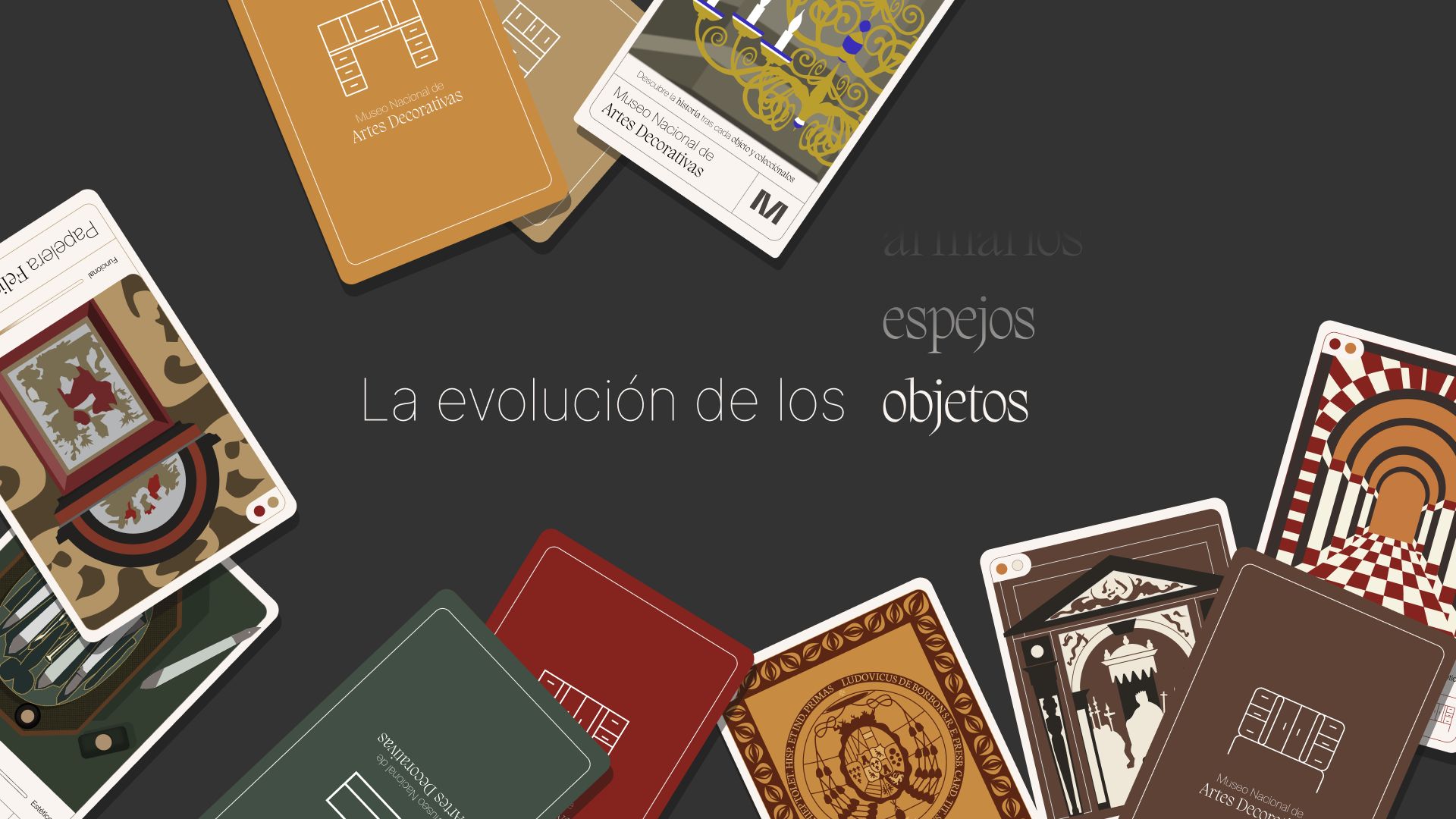
MNAD: The evolution of objects, is a project that digitally organizes what is not possible physically. Under the constraints of space redistribution due to the consideration of heritage at the National Museum of Decorative Arts, we rethink its structure with a digital paradigm of collectibles connected to the physical world.
Through interactive "bridges" between the current exhibition and the proposed digital approach, we give new value to the museum, extending the information of the exhibited objects with 3D visualizations and extending their presence beyond the walls of MNAD, with collectibles both physical and digital, which can be viewed through a dedicated app.
Problem
Available Information
Visitor dissatisfaction with the explanations of the works is compounded by the lack of translation into English on physical signs, which is only available through QR codes, which are not widely used due to various factors such as fear, technological barriers, and lack of uniform integration into exhibitions. The museum seems to ignore complaints from international visitors, contributing to a feeling of exclusion by this audience.
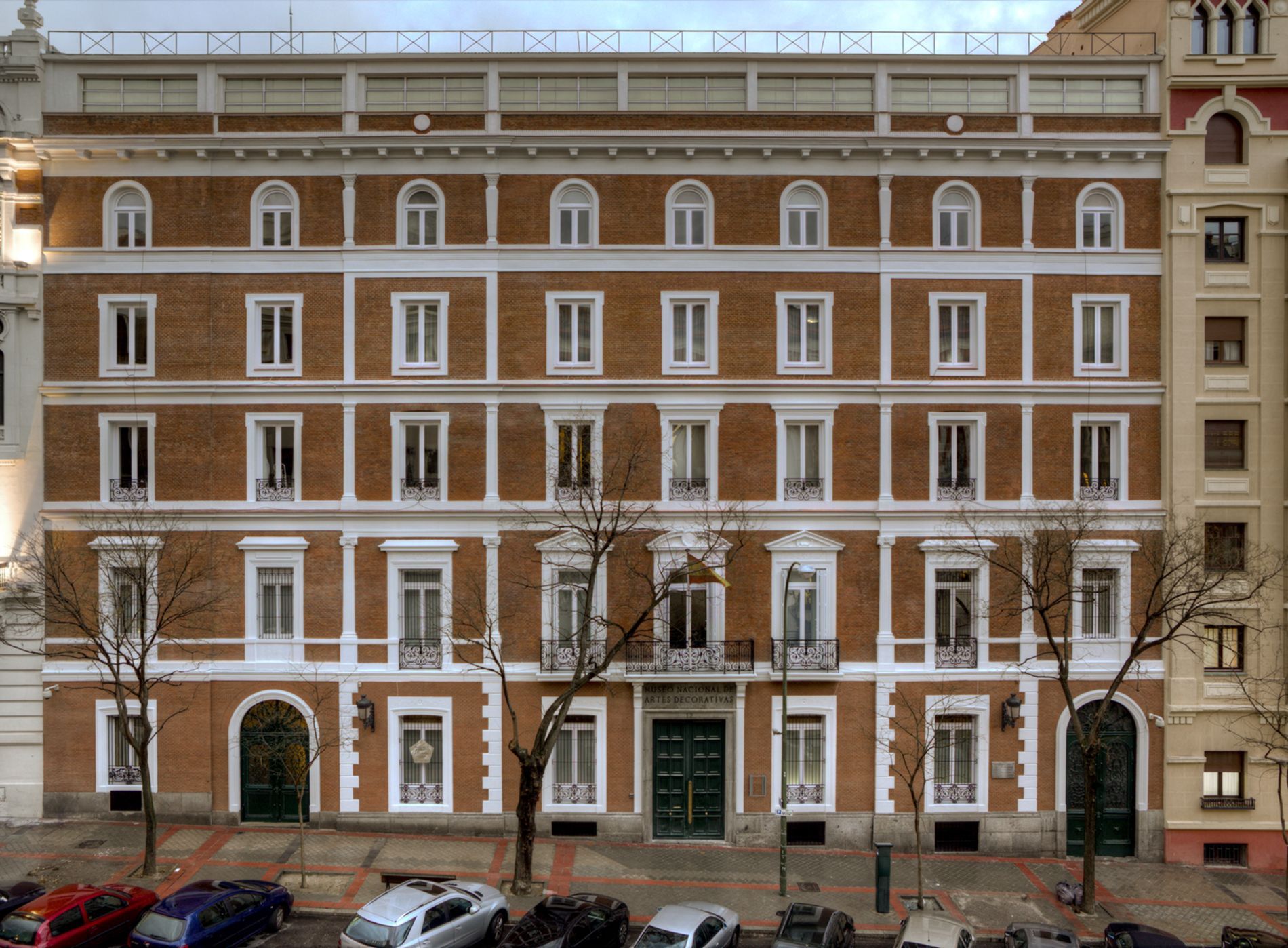
Furthermore, there is a disconnect between interest in the museum building and the lack of information available to visitors about it. While some directors seek to display objects in isolation, separated from the space, the lack of contextualization creates a perception of lack of cohesion in the overall experience.
Lack of resources presents an obstacle to translating information, and explanations of the works are limited in their physical accessibility, whether due to the format of the signs, their location, lighting, or contrast. Information about workshops and activities is exclusively available on the website and Instagram, excluding visitors who do not have access to these platforms or who prefer a more tangible experience during their museum visit.
Experience in the Space
The experience in the museum's rooms is marked by inconsistent lighting that adapts to the conservation needs of the objects but often hinders the visibility of important elements due to reflections. This situation has generated contradictory opinions among the public, which is affected by the lack of uniformity and clarity in the lighting.
Additionally, signage within the museum is not properly placed or designed to guide visitors, resulting in difficulties in finding basic services such as bathrooms, elevators, and the appropriate route through the exhibitions. Lack of cohesion in the organization of the exhibition and insufficient information about permanent works contribute to widespread confusion among visitors.
Finally, the physical experience in the museum is influenced by the need to resort to digital information to complement information about the works, which can result in a disconnection between the physical and digital experience. Inadequate protection for certain exhibited objects and limited interaction with facilities provided to visitors also negatively affect the overall experience.
Accessibility
The lack of real accessibility in the museum contradicts the message it seeks to convey. Although the museum's main target audience is elderly national women, there is also a notable presence of young women and a significant number of international visitors. However, the lack of translation into English on physical signs, offering only this option through QR codes, reflects a lack of attention to the needs and expectations of this group of visitors, ignoring their complaints and generating a sense of exclusion.
This situation not only affects the experience of international visitors but also limits accessibility for those who prefer a more direct and tangible experience during their museum visit. The lack of response to these needs contradicts the inclusive message that the museum seeks to project, highlighting a gap between the public image of the museum and the reality of its experience for certain groups of visitors.
Insights
1
Visitors are dissatisfied with the insufficient explanations of the works on specific signage.
2
The museum lacks a clear path, making it difficult for people to navigate the museum.
3
Some visitors interact with the exhibited objects.
4
There is virtual material that expands the exhibits through QR codes (3D viewing, more in-depth information), but they are not very accessible to the main audience (over 60) or do not work.
5
Not all wheelchairs fit in the museum elevators, and some signage has very illegible text in poor lighting conditions. There is no real accessibility in the museum.
6
The typical museum visitor is a recurring, female user over 60 who visits in groups. Other profiles attend more marginally, such as students.
User Persona
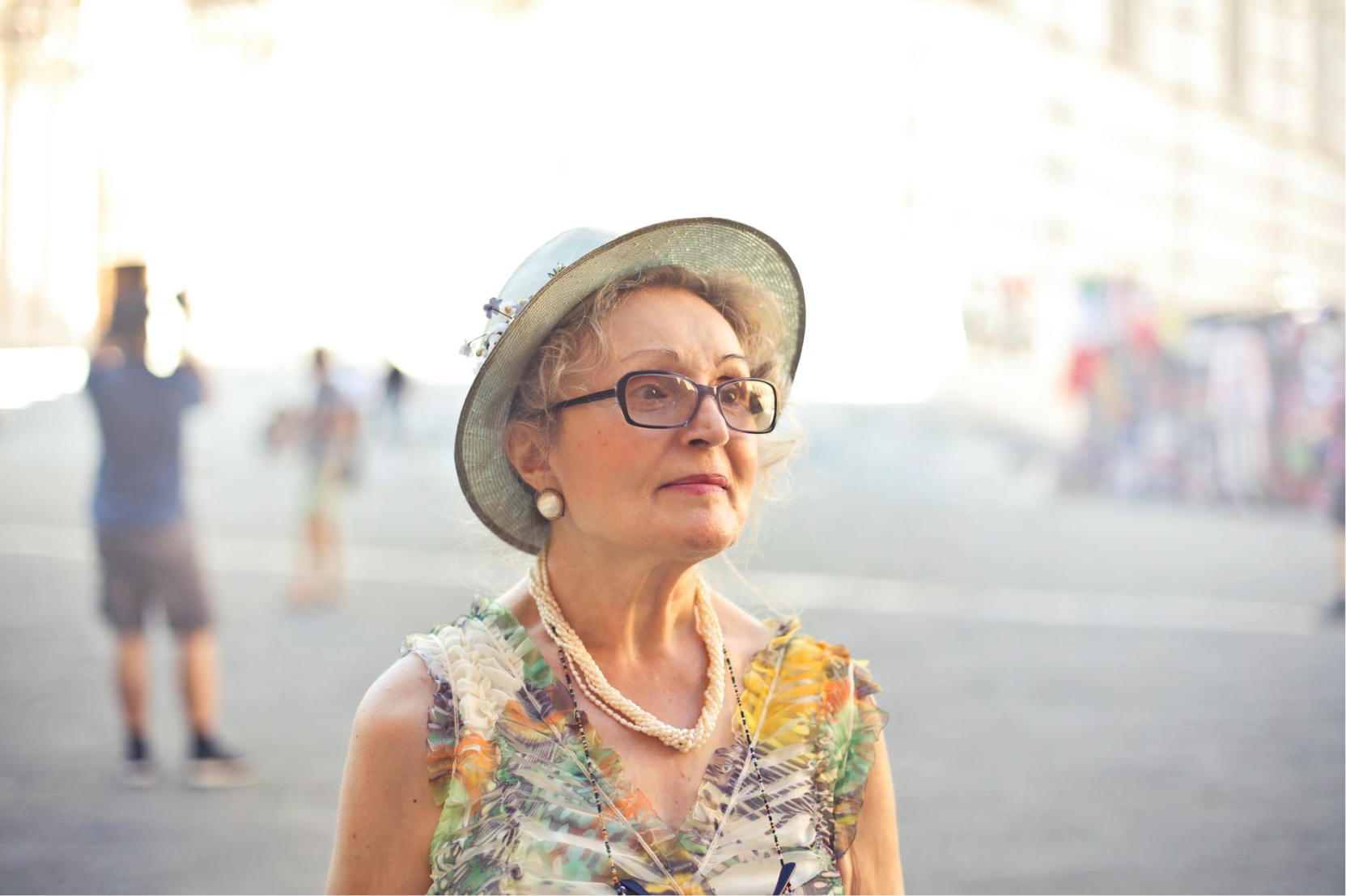
María del Carmen, 71
"I'm always looking for plans in the Madrid City Council news."
Analog
history_eduDigital
Morning Plan
sunnyAfternoon Plan
On Her Own
personIn a Group
Frustrations
check_box_outline_blank
She loves visiting museums but often doesn't manage to see the signs.
check_box_outline_blank
She often misses out on information about culture offered by the city because she doesn't have internet access.
Goals
check_box_outline_blank
She wants to go to art, culture, and leisure-related events.
check_box_outline_blank
To enjoy retirement and deserved rest with her friends.
MC has spent almost her entire life in the neighborhood of Las Letras. Originally from Guadalajara, she moved to Madrid at the age of 20 and opened her own sewing academy in the city center. That allowed her to buy an apartment 100 meters from Sol. She retired 2 years ago and since then meets her friends for coffee, walks in the park, goes to the cinema at the Filmoteca, and visits museums. She loves cultural plans and has always been an avid reader. Her husband is a big football fan, so her life revolves around plans with her friends.

Laura, 27
"Museums don't focus their initiatives on young people, generally."
Analog
history_eduDigital
Morning Plan
sunnyAfternoon Plan
On Her Own
personIn a Group
Frustrations
check_box_outline_blank
Not understanding what she sees, feeling that culture is not open to everyone.
check_box_outline_blank
She feels that people are going to museums less and less.
Goals
check_box_outline_blank
To know more charming spaces in Madrid. Rediscover the culture of the vintage.
check_box_outline_blank